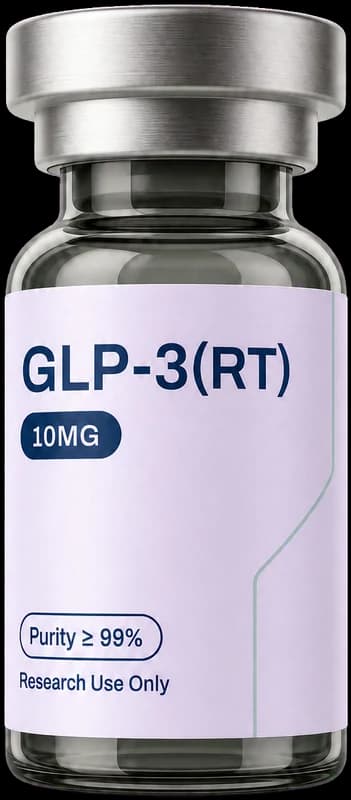
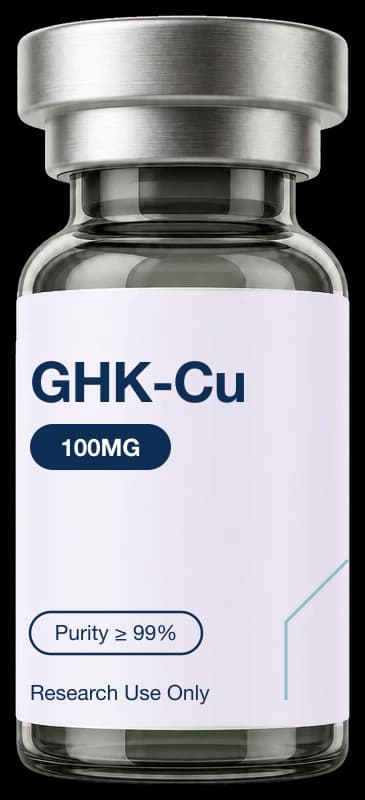
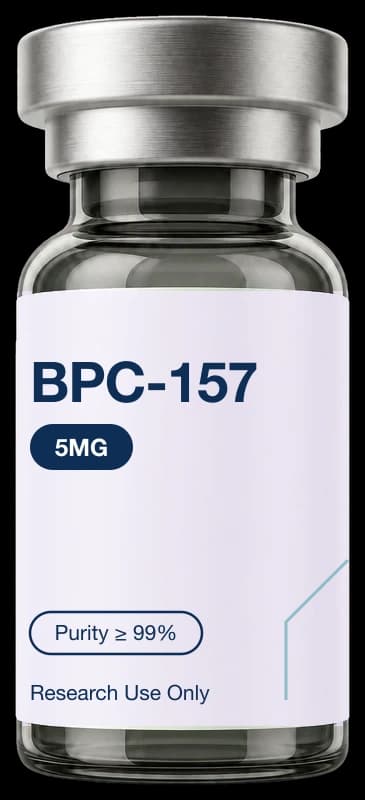
"Research Chemical," Decoded: What That Label Legally Means Before You Buy
You've seen it on every vial and every product page — "research chemical," "for research use only," "not for human consumption" — usually in tiny gray text you scrolled right past. It feels like fine print, or a wink, or a formality. It's none of those. In about 8 minutes I'll teach you exactly what that label is actually saying, what it very much is NOT saying, and why the sellers hoping you don't read it are telling on themselves.
By PepQuiz · Research-framed, not medical advice · Editorial standards
The 60-second version
1/7
"Research chemical" is a legal status, not a quality grade — it describes permission, not the powder.
The full guide · 8 min
So what does "research chemical" actually mean?
Let's start by killing the two wrong ideas most people arrive with, because almost every mistake downstream comes from one of them.
Wrong idea #1: "research chemical" describes the molecule — like it's a lower grade, a knockoff, a watered-down version of a real thing. Wrong idea #2: it's a cute legal wink, a nudge-nudge phrase everyone knows to ignore.
Here's the actual version. "Research chemical" is a regulatory status, not a chemistry class and not a quality grade. It's a statement about permission — specifically, that a compound has not been approved or evaluated by the FDA as a drug for people to use, and is being sold for laboratory and research purposes instead. The exact same molecule, made to the exact same purity, can wear that label or not depending entirely on the paperwork and the intended market around it — not on anything inside the vial.
Think of it like a lane marker on a road, not a description of the car. The label tells you which lane the seller is legally driving in. It says nothing about how fast the car goes, whether it's well-built, or whether it's safe for you to get in.
That single reframe — status, not substance — is the whole key. Read the rest of this with it pinned, and the label stops being fine print and starts being one of the most honest signals on the entire page.
"Research chemical" is a status, not a substance. It describes permission, not what's in the vial.
"For research use only" is a legal sentence, not a wink
That phrase — RUO, "research use only," "not for human consumption" — does real legal work. It's worth slowing down on, because understanding it changes how you read every product page you'll ever see.
In the U.S., a product's intended use is a big part of what determines how it's regulated. Roughly: if a company markets a compound for diagnosing, treating, curing, or affecting the body — the things drugs do — regulators can treat it as an unapproved drug, which is a serious problem for the seller. So "for research use only" is the seller drawing a line and saying, in legal terms, we are selling this as a research material, not as a drug for you to take.
Hold two things at once here, because both are true:
- The phrase is a genuine regulatory boundary. It reflects that the compound has not gone through the approval process that turns a molecule into an FDA-approved medicine for a specific use.
- The phrase is also, for some sellers, a liability shield — a way to sell something people obviously buy for personal reasons while keeping the marketing technically on the research side of the line.
Both can be true of the same six words on the same vial. That's not a contradiction to resolve — it's the actual landscape to navigate. The label is honest about the status. Whether the seller is honest about everything else is a separate question, and one this guide will help you answer.
The grown-up takeaway: the words aren't there by accident, and they aren't there for decoration. They're a compliance boundary. Reading them as "just a formality" is exactly the misread the least-careful sellers are counting on.
"For research use only" isn't decoration and isn't a formality. It's a compliance boundary doing real legal work.
The label describes the paperwork, not the powder
This is the part that clicks everything into place, so here's the analogy that makes it stick.
Imagine two identical bottles of a chemical, made in the same facility, to the same purity, on the same day. One is boxed for a university lab and labeled "research use only." The other went through years of trials, an approval process, and regulatory review, and is now a prescription medicine with a doctor's name attached. Same molecule. Completely different legal life. The difference was never the powder. It was the paperwork, the testing, the approval, and the intended use wrapped around it.
That's why "research chemical" tells you so much and so little at the same time:
- It reliably tells you the compound has not cleared the approval bar for the uses people discuss online. That's real, useful information you deserve stated plainly.
- It tells you nothing about purity, identity, dose accuracy, or safety for any individual. A "research chemical" can be beautifully pure or basically flour. The label doesn't adjudicate that — a batch-specific, third-party certificate of analysis (COA) does, which is its own whole skill covered in our sourcing guide.
So the reflex to build is: when you see "research chemical," don't ask "is this the cheap version?" Ask "okay — this is the not-yet-approved, sold-for-research lane; now, separately, what's the actual quality evidence for this specific batch?" Two different questions. The label answers the first and stays completely silent on the second.
Status is one axis. Quality is another. Never let a label on one axis fool you into thinking it answered the other.
Same molecule, different paperwork, different legal life. The label describes the lane — not the powder.
What "research chemical" does NOT mean — read this slowly
Here's the section to screenshot. Four things the label is constantly misread as saying — and doesn't.
It does NOT mean "fake" or "low quality." Status and quality are separate axes. A research-labeled compound can be exactly what it claims, or not — the label alone doesn't tell you, and assuming either way is a mistake.
It does NOT mean "approved" or "proven safe for you." This is the big one, and it's the drumbeat you'll hear across every guide here: many of these compounds are sold as research chemicals and are not FDA-approved for the uses people talk about. "Studied in research" and "cleared for you to use" are two very different sentences.
It does NOT mean "safe because your body makes something like it" or "safe because it's a peptide." Natural and your body makes it too do not mean harmless. The regulatory label and the safety question are, again, different axes.
It does NOT mean "a green light with a disclaimer attached." A "not for human consumption" tag sitting three inches above a dosing chart isn't a permission slip — it's a seller trying to have it both ways. The label being present doesn't launder anything else on the page.
Hold all of these at once and a quiet truth emerges: the label is doing its job honestly. It's telling you the status. Everything people tend to read into it — quality, safety, approval, permission — is stuff it never claimed. The confusion isn't the label's fault. It's the gap between what it says and what a hopeful reader wants it to say.
Curiosity is great. Reading a status label as a safety guarantee is exactly the magic thinking that gets people hurt.
The label tells you the status. Quality, safety, and approval are three other questions it never answered.
How the label gets used — and abused — by sellers
Now the practical payoff. Once you understand what the label really means, the way a seller handles it becomes one of the most revealing things on the whole page. Here's what to watch.
The honest use. A serious source states the research-chemical status plainly, doesn't dress it up, and pairs it with real quality evidence — a batch-specific, third-party COA — and research framing for what a compound has been documented for. Status stated, quality proven, claims kept on the research side of the line. That's the pattern you want.
The abuse tells — watch for these:
- The disclaimer-and-dosing sandwich. "Not for human consumption" in gray text, with a helpful dosing chart, protocol, or "what people run" a scroll away. The disclaimer exists to protect the seller; the chart exists to make the sale. That contradiction is the tell.
- The wink. Emojis, coded language, "you know what this is for" nudges next to the legal phrase. A source playing footsie with the line it's pretending to respect is telling you how seriously it takes any of the rules.
- The label as a shield for a cure claim. Any seller promising a product will treat, cure, or fix something — while hiding behind "research use only" — is both making a claim it can't make and leaning on a label to dodge responsibility for it. That's lying and rule-breaking in one move.
- Status stated, quality absent. "Research chemical" on the label but no batch-specific, independent COA anywhere. The one label they're legally nudged to show is present; the one document that actually protects you is missing. That imbalance is information.
None of these alone is a conviction. But the direction they all point is the same: a source that treats the label as a costume rather than a boundary is a source treating you as a mark. The label didn't change. How they wear it tells you who they are.
A disclaimer sitting above a dosing chart isn't a permission slip. It's a seller trying to have it both ways.
How to actually use this before you buy (the honest close)
Let me level with you, because the honesty is the whole point.
Understanding this label won't make any compound safer, and it won't tell you whether something is right for you. What it does is far more useful: it makes you unfool-able on one specific axis. You'll never again mistake a status label for a safety stamp, a quality grade, or a quiet permission slip. That's a real skill, and most people buying in this space don't have it.
So here's how to actually carry it:
- When you see "research chemical" or "for research use only," read it as exactly what it is — a not-yet-approved, sold-for-research status — and then go ask the separate questions it doesn't answer: what does the batch-specific, third-party COA say, and what has this compound actually been documented for in research (and in what — cells, animals, humans)?
- Treat how a seller handles the label as a character reference. Honest sources state the status and prove quality. Sketchy ones wink, sandwich disclaimers over dosing, or hide the COA.
- And the decision that actually matters — whether to use anything at all — was never going to be settled by a label or a blog. That belongs with a qualified healthcare professional who knows your history. We won't give you doses, protocols, or "here's what to run" here, on purpose: that's a medical conversation, not a caption. A source handing specific numbers to strangers is a reason to trust it less, not more.
That's the entire spirit of this module — hand you the map, mark the swamps honestly, and let you walk it informed and un-hyped. If you want to turn the general map into your shortlist, the quiz is 5–8 questions and free, and every stack it points to is one you can run this exact label-and-COA checklist against.
(Full disclosure: some links on pepquiz.co — including the stack pages below, which point to our partner store Prism Labs and its COAs — are affiliate links, so pepquiz.co may earn a commission if you buy through them, at no extra cost to you. That never changes the standard we hold sources to, and nothing here is a recommendation to buy or use any compound. These are largely research chemicals, not FDA-approved for the uses people discuss — so a qualified healthcare professional is the right person to talk to before you act.)
Understanding the label won't make anything safer. It makes YOU unfool-able — on one axis, for good.