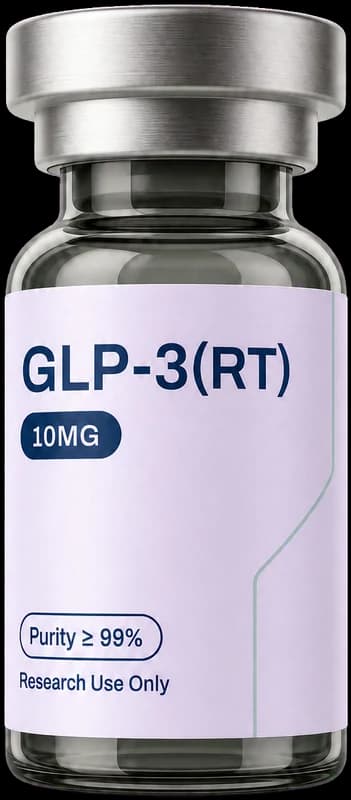
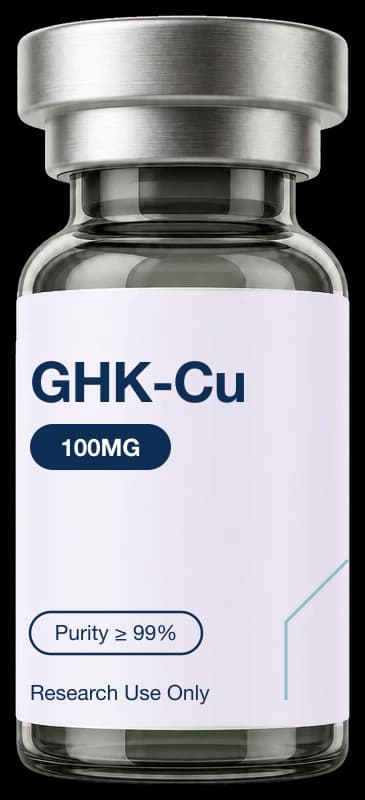
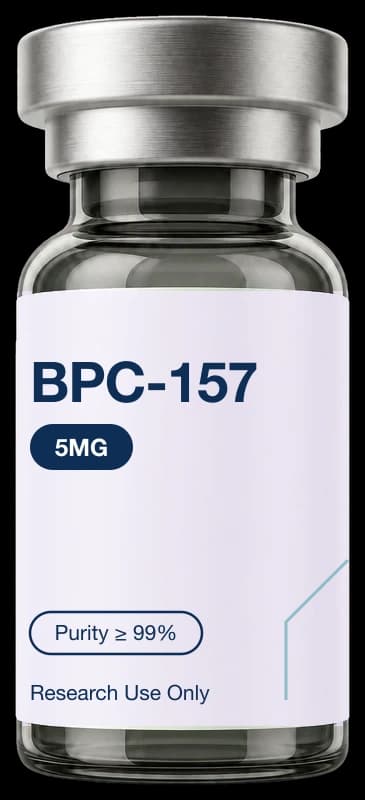
Peptides 101 — What They Actually Are and How They Work
You've seen the word "peptides" a hundred times this month — on your feed, in a friend's supplement drawer, in a comment section arguing at 2 a.m. Here's the calm, no-hype explainer nobody's actually giving you: what peptides really are, why they're everywhere right now, and how to tell the real signal from the noise.
By PepQuiz · Research-framed, not medical advice · Editorial standards
The 60-second version
1/7
A peptide is a short chain of amino acids — a signal your body already uses.
The full guide · 7 min
So what IS a peptide, actually?
Let's start with the least intimidating possible version, because the internet loves to make this sound like organic chemistry homework.
Your body is built out of proteins — muscle, skin, enzymes, hormones, the whole machine. Proteins are made of smaller building blocks called amino acids, strung together like beads on a necklace. A really long necklace of beads is a protein. A short necklace — usually a handful up to a few dozen beads — is a peptide.
That's it. A peptide is a short chain of amino acids. Your body already makes thousands of them, right now, without you thinking about it. Insulin is a peptide. The signal that tells you you're full after a meal? Peptide. They're not some alien substance — they're one of the oldest, most basic ways your cells talk to each other.
Here's the mental model that makes everything click: if amino acids are letters, peptides are short words, and proteins are whole paragraphs. A peptide is a tiny, specific message. Different messages are studied for how they relate to different parts of the body.
The peptides people are curious about online are mostly specific sequences that researchers have studied for how they behave in the body. That's the whole game — a particular short 'word' that shows up in the research literature attached to a particular area of interest.
Amino acids are letters. Peptides are short words. Proteins are paragraphs.
Peptides vs. steroids vs. SARMs vs. your protein powder
This is where most beginners get quietly confused, so let's untangle it cleanly. These get lumped together online, but they're genuinely different categories.
Steroids (anabolic steroids) are synthetic versions of hormones like testosterone. They're powerful, heavily regulated, and act broadly across the whole system. Big, blunt, body-wide effects.
SARMs (selective androgen receptor modulators) are lab-made compounds studied for how they interact with the same muscle-and-strength pathways as steroids, but more selectively. Still lab chemistry aimed at the androgen system. Most are sold as research chemicals and are not approved for human performance use.
Supplements — your creatine, protein powder, vitamin D — are broad nutritional support. You're basically topping off the tank with raw materials.
Peptides are different from all three. Rather than adding a hormone or flooding a receptor, a peptide is described in research more like a specific text message to a specific cell: 'hey, this process over here.' They're studied for narrower, more targeted signaling rather than broad body-wide hormonal effects.
The honest nuance: 'peptide' is a big umbrella. Some studied peptides act near hormonal pathways, some don't, and the category ranges from things with decades of research to things that are very new. So 'peptides ≠ steroids' is true as a category statement — but it doesn't mean 'automatically mild' or 'automatically safe.' It means different tool, different mechanism, different conversation. Any decision about any of these is one for you and a qualified healthcare professional, not a blog.
In the research, a peptide is often described less like a sledgehammer and more like a specific text message to a specific cell.
Why are they suddenly EVERYWHERE?
Fair question. Peptides existed in labs for decades — so why is your entire feed talking about them now?
A few things stacked up at once:
1. The awareness wave. You've almost certainly seen the widely publicized injectable peptides that dominated recent health headlines. They pushed the whole idea of 'a peptide that sends a specific signal' into normal, everyday conversation. Once millions of people had heard one peptide named, curiosity — not any promise of the same results — spilled over into the rest of the category.
2. The longevity / optimization culture. Podcasts, biohackers, and 'how do I feel 10% better' content turned niche research topics into mainstream watercooler talk. Peptides slotted right in.
3. Social platforms reward novelty. A word that sounds scientific, feels a little insider, and has genuine research behind it is catnip for short-form video. The curiosity gap does the rest.
4. Access changed. More companies now sell these compounds — many labeled as research chemicals — which means more people talking, more people asking, and unfortunately more people making claims that outrun the actual evidence.
That last point is exactly why an article like this exists. The hype got ahead of the homework. So let's do the homework.
The hype got ahead of the homework. Let's do the homework.
'Studied in research' is NOT the same as 'FDA-approved' — read this twice
This is the single most important distinction in the entire peptide conversation, and almost nobody explains it honestly. So here's the straight version.
When you see a peptide 'documented for' or 'studied in research for' some area, that means scientists have investigated it — in cells, in animals, sometimes in early human studies. That's real and it's interesting. But 'has been studied' exists on a huge spectrum, from 'one small animal study' to 'decades of data.'
FDA-approved is a completely different, much higher bar. It means a compound went through large, rigorous human trials for a specific use, and regulators concluded the benefits outweighed the risks for that use, at defined doses, for defined people.
Many of the peptides people discuss online are sold as research chemicals and are not FDA-approved for the uses you see talked about. That's not a scary footnote — it's the actual status, and you deserve to know it plainly:
- 'Studied in research' ≠ proven safe or effective for you
- 'Studied in research' ≠ approved for human use
- Exciting early findings ≠ a finished story
A smart friend wouldn't hype you. A smart friend would say: the research is genuinely fascinating, AND it is early and incomplete, AND 'people online swear by it' is not evidence. All three are true at the same time. Hold all three.
'Has been studied' and 'is approved for you to use' are two very different sentences.
Setting honest expectations (the part hype-bros skip)
If you take one vibe from this whole article, take this: curiosity is great, magic thinking is not.
Here's the grounded frame to carry into everything else you read:
No peptide is a shortcut around the basics. Sleep, food, stress, and movement are still the foundation the research itself is usually built on top of. Nothing here replaces that.
What the research shows is early, variable, and incomplete — and internet testimonials are not data. A dramatic before/after clip is a piece of content, not a clinical outcome. Treat comment sections as entertainment, not evidence.
'Natural' and 'your body makes it too' do not mean 'harmless.' Plenty of things your body makes are tightly regulated for good reason. More is not automatically better.
Legal and safety status matters and varies. Research-chemical labeling, sourcing, and quality are real considerations, and rules differ by place. One honest tell of a more serious vendor is third-party testing — a certificate of analysis (COA) for each batch. If you do go looking at vendors or COAs through links on PepQuiz (for example, our partner store Prism Labs), a quick disclosure: PepQuiz may earn a commission from purchases made through those links, at no extra cost to you. That never changes the rails here — this is exactly the kind of thing to bring to a qualified healthcare professional who knows your history, not to a stranger with a ring light.
We won't give you doses, protocols, or 'here's what to run' here — on purpose. That's not us being coy. It's us being honest: that's a medical conversation for you and a professional, not a blog. What we can do is help you understand the landscape so your questions get smarter.
That's the whole spirit of this beginner module: give you the real map, mark the swamps honestly, and let you decide where to walk — informed, unhurried, and un-hyped.
Curiosity is great. Magic thinking is not. You can absolutely have the first without the second.