Which Peptides Match Which Goals — The Beginner's Map
Most people fall down the peptide rabbit hole compound-first — memorizing acronyms before they even know what they're trying to solve. Flip it. Start with your goal, and the shortlist gets short fast. Here's the whole map on one page.
By PepQuiz · Research-framed, not medical advice · Editorial standards
The 60-second version
1/7
Peptides are organized by the research area they're studied in — start with your goal.
The full guide · 8 min
Start with the goal, not the molecule
Here's the mistake almost every beginner makes: they open a forum, see forty peptide names flying around, and try to learn all of them at once. It's overwhelming, and it's backwards.
The people who actually get clarity do the opposite. They name the goal first — "I want to recover faster," "my skin's been rough," "I'm curious about the weight-loss compounds everyone's talking about" — and let that narrow the field. Suddenly you're not researching forty things. You're researching two or three, in one specific bucket.
That's what this page is: a map from goal → the compounds most associated with it in research. For each one I'll tell you what people in that lane are usually digging into, what the headline compounds have actually been documented for in research settings, and which of our named stacks it lines up with.
One honest note before we go: a lot of these compounds are sold as research chemicals and are not FDA-approved for the uses people discuss online. Nothing here is medical advice, a treatment plan, or a dosing guide — it's a literacy map so you can read the space like someone who's done the reading. Talk to a licensed clinician before doing anything with any of this.
One more disclosure up front: pepquiz.co earns an affiliate commission if you choose to buy through our partner links (including Prism Labs and any COAs we reference), at no extra cost to you, and those links are always disclosed. It doesn't change the goal-first, research-based map you're about to read — the map is the same whether or not you ever click anything.
Name the goal first, and forty compounds become three.
Goal: Recover faster (the "Wolverine" lane)
Who's usually here: lifters nursing a cranky shoulder or elbow, weekend athletes, people rehabbing an old injury, or anyone whose body just feels slower to bounce back than it used to.
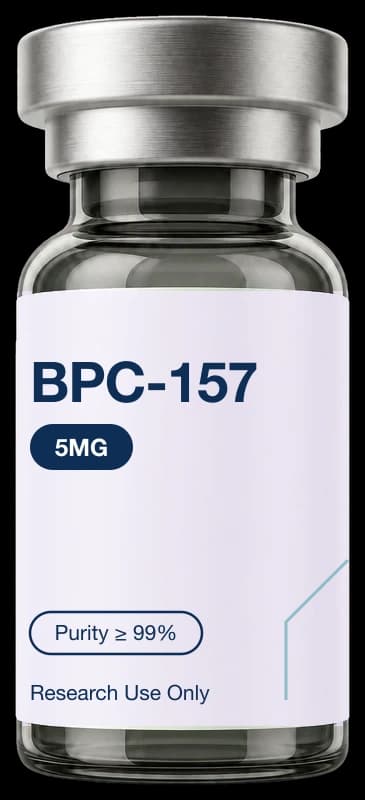
What they're researching: the two most-discussed "repair" peptides — BPC-157 and TB-500 — almost always mentioned together.
What the headline compounds are documented for (research framing): - BPC-157 is a peptide chain that has been studied in research in the context of tissue and connective-tissue repair processes. Most of that work is preclinical (animal and lab models). - TB-500 (a synthetic fragment related to Thymosin Beta-4) has been researched in the context of cell migration and tissue-repair signaling.
People pair them because the research narratives overlap — one is often discussed in the context of localized repair, the other in the context of broader mobility and flexibility signaling. That combination is what our Wolverine stack is built around.
Curiosity gap worth noting: BPC-157 shows up in almost every goal on this list. There's a reason — and it's not marketing. Keep reading.
If it's a repair story, BPC-157 and TB-500 are almost always in the room together.
Goal: Skin, glow & visible aging (the "Glow" lane)
Who's usually here: people noticing dullness, texture changes, or slower skin recovery, and anyone who's moved past serums and started reading about what's happening a layer deeper.
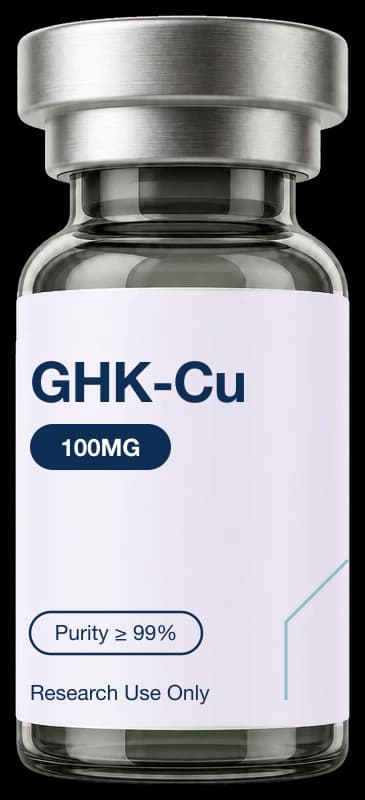
What they're researching: the copper peptide GHK-Cu, usually stacked with the repair pair from the recovery lane.
What the headline compounds are documented for (research framing): - GHK-Cu (a copper-binding tripeptide) is one of the more heavily studied peptides in skin research, examined in the context of skin-remodeling and appearance-related processes. It's the marquee compound here. - BPC-157 + TB-500 reappear because "glow" isn't only surface-level — the repair-signaling research is why our Glow stack layers them under GHK-Cu.
So Glow is essentially the skin-forward compound sitting on top of the recovery foundation. If your goal is appearance and texture, this is the lane people in that bucket tend to read about.
Glow is the skin-forward compound sitting on top of a repair foundation.
Goal: Muscle, performance & "running better" (the GH Optimization lane)
Who's usually here: people training seriously who are curious about how the body's own growth-hormone pathways are studied — the research touches on areas like sleep, body composition, and recovery systems, and this lane is about understanding those systems, not chasing a quick fix.
What they're researching: the growth-hormone-secretagogue pair, CJC-1295 and Ipamorelin.
What the headline compounds are documented for (research framing): - CJC-1295 is a peptide studied in research as a growth-hormone-releasing-hormone analog — i.e., it's investigated for how it interacts with the body's own GH signaling rather than being a hormone itself. - Ipamorelin is a researched growth-hormone secretagogue, often discussed alongside CJC-1295 because their mechanisms are studied as complementary.
This is the most "systems-level" lane — it's about how the body's own pathways are studied, not a localized fix, and not something that works overnight. That's why it stands as its own GH Optimization stack.
This lane is about how your body's own systems are studied — not a localized fix, and not a quick one.
Goal: Weight & body composition (the Fat Loss lane)
Who's usually here: by far the biggest search bucket right now — people who've heard the GLP-1/GLP-3 conversation everywhere and want to understand the peptide side of it honestly.
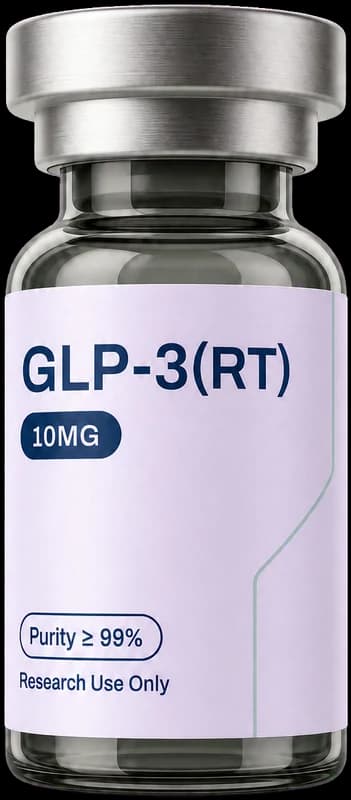
What they're researching: the GLP-3 / retatrutide-class compounds, often discussed with AOD-9604 and MOTS-c.
What the headline compounds are documented for (research framing): - Retatrutide-class (GLP-3) compounds are studied in research in the context of activity on multiple metabolic receptor pathways. These are the newest and most-discussed metabolic research compounds — and among the most important to approach carefully. - AOD-9604 (a fragment of the GH molecule) has been researched in the context of metabolic and fat-metabolism pathways. - MOTS-c is a mitochondrial-derived peptide studied in the context of metabolic signaling.
Read this part slowly: this is the lane with the most hype, the most sketchy sourcing online, and the biggest gap between internet claims and actual approved use. Many of these are research chemicals, not approved products for weight loss. If any goal deserves a real clinician conversation before action, it's this one. Our Fat Loss stack maps here — but the education matters more than the stack.
This is the lane with the most hype and the biggest gap between claims and reality. Slow down here.
Goal: Gut & inflammation (the quiet high-value lane)
Who's usually here: people dealing with ongoing gut discomfort or systemic "my body feels inflamed" complaints — often the folks who've tried a lot of other things first.
What they're researching: BPC-157 again, this time paired with KPV or Thymosin Alpha-1.
What the headline compounds are documented for (research framing): - BPC-157 — remember the curiosity gap? Here's the payoff. It keeps reappearing because much of its research centers on the gut; it's sometimes referred to as a "gastric" peptide in the literature. Gut is arguably where its research is most concentrated. - KPV (a short peptide fragment) has been studied in research related to inflammatory signaling pathways. - Thymosin Alpha-1 is researched in the context of immune-system modulation.
This is the least-hyped lane and often the one beginners overlook, which is exactly why it's worth knowing about. It's our Gut & Inflammation stack.
BPC-157 kept reappearing for a reason — the gut is arguably where its research is most concentrated.
How to actually use this map
You now know something most beginners don't: the whole space collapses into five goals, and a handful of headline compounds each. That's the honest version.
Here's the honest limitation of any article, though — I wrote this for the average person in each lane. You're not average. Your real match depends on your specific goal blend, your experience level, your timeline, and how comfortable you are with the practical side (yes, including needles).
That's the entire reason the quiz exists. It's 5–8 questions, it's free, and it takes the map you just read and turns it into your shortlist instead of a general one. No email tricks, no fake countdown — just a cleaner starting point than a one-size article can give.
(Heads up: the stack pages and partner links are affiliate links — disclosed here and on the page itself — and pepquiz.co may earn a commission, at no extra cost to you, if you buy through them.)
If you already know your lane, you can go straight to your stack from here. If you're between two goals — which is most people — take the quiz and let it sort the overlap for you. And whichever lane you land in, run it past a licensed clinician before you act on any of it.
Five goals, a handful of compounds each. That's the whole map. The quiz just makes it yours.